“The Wyndham community want to connect with, celebrate and protect their natural environment, enjoy the city’s parks and open spaces and live healthy, happy lives” Wyndham Plan 2023
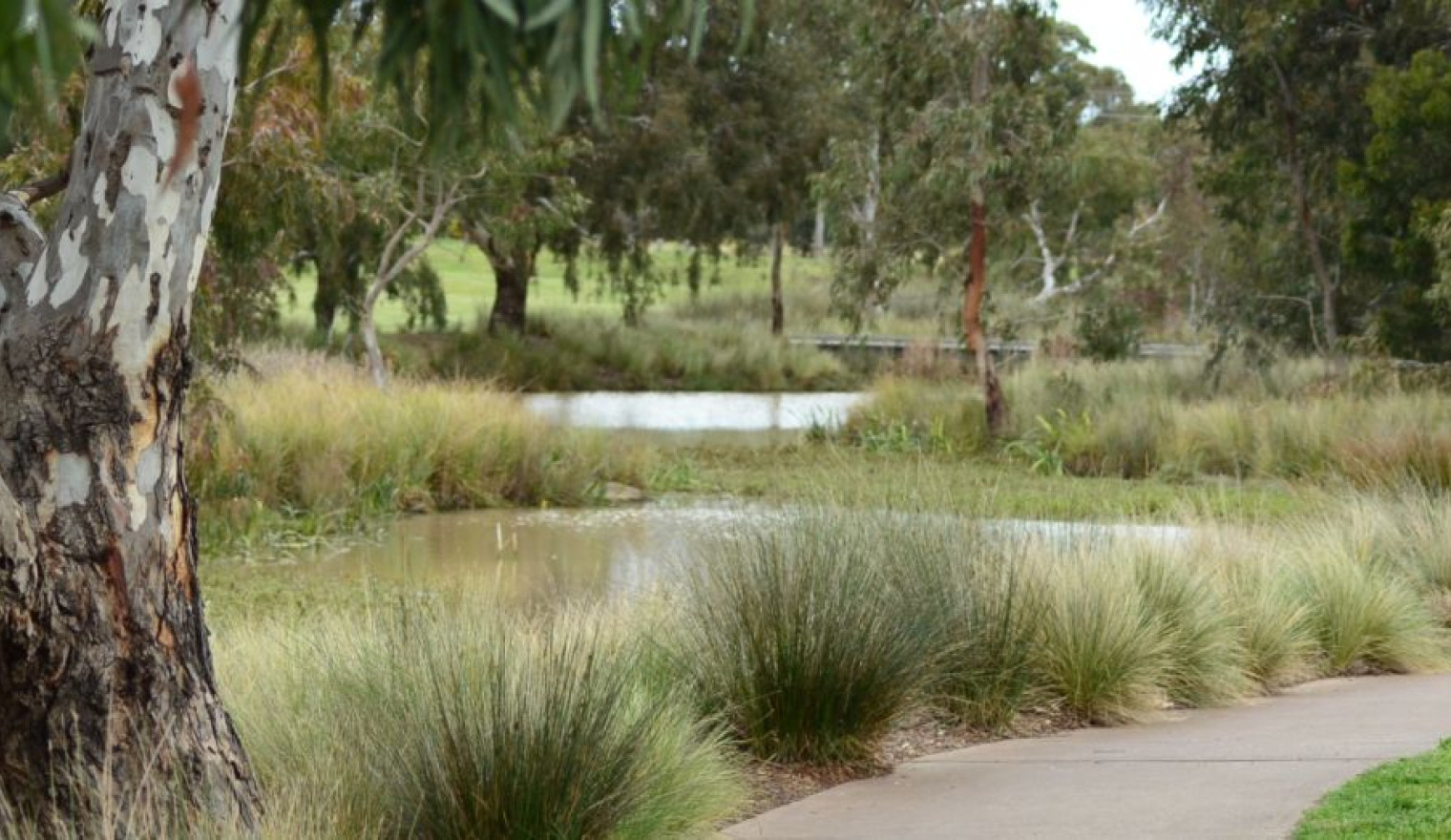
Wyndham is a naturally diverse landscape, encompassing critically endangered plains grasslands, riparian woodlands, floodplains, and internationally significant and threatened coastal wetlands. Our natural assets are valued for the unique character they provide. We also recognise the living cultural heritage, cultural landscapes, waterways and habitat values across Wyndham.
Wyndham is also a rapidly growing municipality expected to reach a population of almost 500,000 people by 2046. Rapid growth comes with many environmental challenges and as a result, our natural ecosystems are often fragmented and modified with a range of threats to their ongoing health and biodiversity.
Management
Wyndham City Council manages over 350 hectares of conservation reserves, and 242km of rural roadsides for biodiversity protection. Conservation management focuses on retaining and improving the ecological values of these important natural assets through the control of threats such as weed invasion, pest animals and erosion. Along with this, extensive annual habitat plantings aid in increasing the extent of conservation reserves and improving habitat values for local wildlife.
How you can help
No dumping
Littering and dumping of household or green waste into natural areas can cause significant environmental damage. Litter can easily find its way into our waterways where it can be ingested by wildlife or cause life-threatening entanglement for animals such as swans and platypus.
Dumping household waste into natural reserves will damage native vegetation, not only when it’s dumped but again during the clean-up process. By disposing of waste responsibly, we can all help protect local habitats and the animals that depend on them.
Council offers FREE waste and recycling services to Wyndham residents.
Don’t feed wildlife
Please do not feed our native wildlife. As much as we love and want to help our native wildlife, it’s never a good idea to feed them non-native food as it doesn’t meet their nutritional needs. Rather than feeding wildlife, a better way to connect with our unique animals is by spending time in nature in one of Wyndham’s many reserves and waterways.
You can also plant habitat trees and shrubs in your garden to encourage wildlife to visit your home.
Dogs on-lead
The proximity of dogs to wildlife, particularly when off-lead, can not only be harmful for wildlife, but can also be harmful for your dog.
In accordance with the Domestic Animals Act 1994, Wyndham City Council requires dogs to be leashed in all public places except within designated Dog Off Lead Areas.
Cats indoors
By keeping cats safe at home, you’re protecting them from harm and helping our native wildlife flourish. Around 46% of Australia’s endangered wildlife can be found in towns and cities. Keeping cats safe at home prevents them impacting wildlife through hunting or disturbance. Our beloved pet cats deserve the best chance at life – so does our local wildlife.
Wyndham City Council has a cat curfew where your cat is required to be confined to your property between the hours of 10pm and 6am and applies every day of the year.
Plant a habitat garden
Our gardens provide an opportunity to support our unique plants and animals. Many local plants are great choices for landscaping and can be used in any style of garden.
In addition, your garden can provide a stepping stone for native birds and animals to move safely across our highly urbanised landscape.